ddd crew
Community tools for Domain-Driven Design
The ddd-crew is an open, community-run collection of practical DDD tools — canvases, modelling processes and reference guides. We republish them here so they're easy to browse, always crediting the original authors.
Everything republished here is by the ddd-crew and its contributors, under the licence each repository sets: mostly CC BY-SA 4.0, and each page says which. Every tool links back to its source repository and canonical version.
Getting started
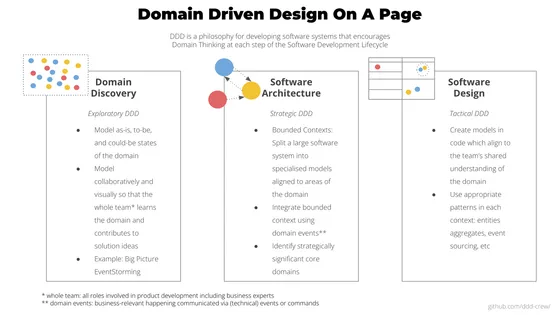
Welcome to Domain-Driven Design (DDD)
Definitions of DDD and fundamental concepts to reduce the learning curve and confusion
Open →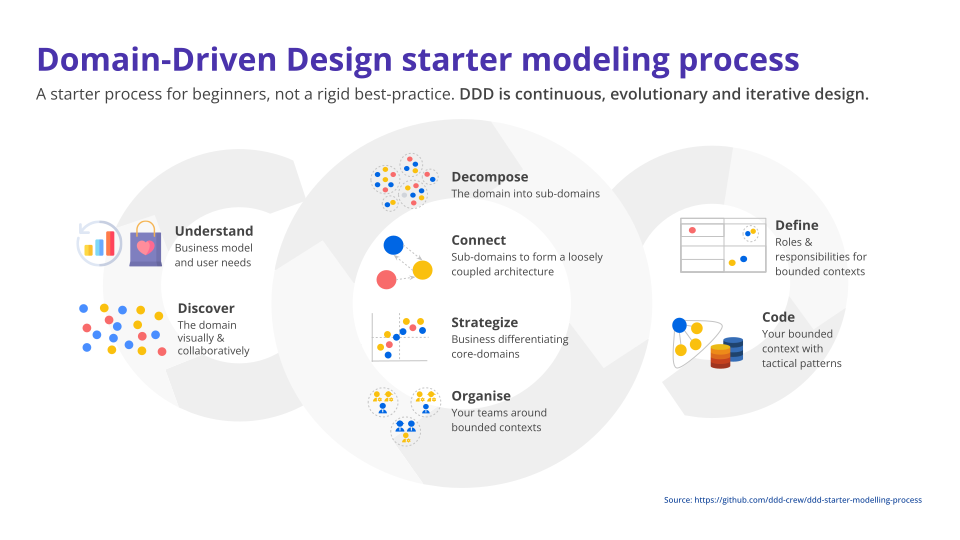
Domain-Driven Design Starter Modelling Process
If you're new to DDD and not sure where to start, this process will guide you step-by-step
Open →DDD Familiarity Assessment
The DDD Familiarity Assessment goal is to provide you with a set of questions to assess the DDD knowledge within your organization.
Open →Free Domain-Driven Design Learning Resources
A collection of resources for learning DDD. All are free to access.
Open →AI DDD prompts & rules
DDD-related prompts and rules to use with your favourite coding assistants
Open →Strategic design
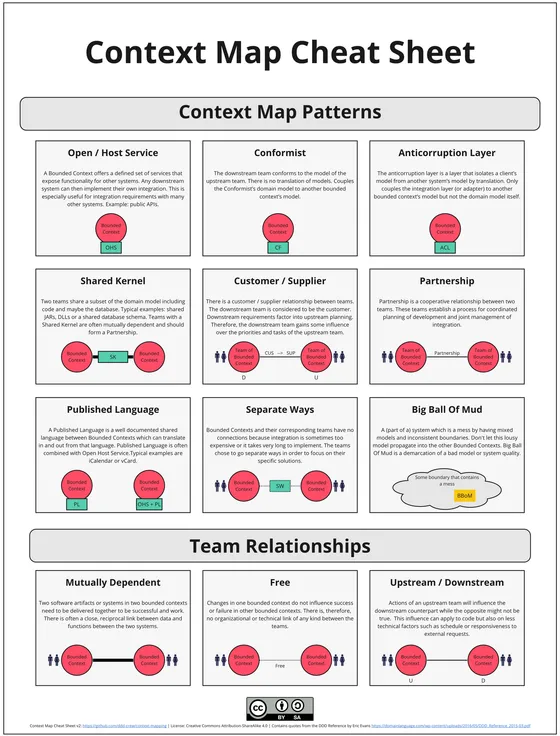
Context Mapping
Context Maps describe the contact between bounded contexts and teams with a collection of patterns. There are nine context map patterns and three…
Open →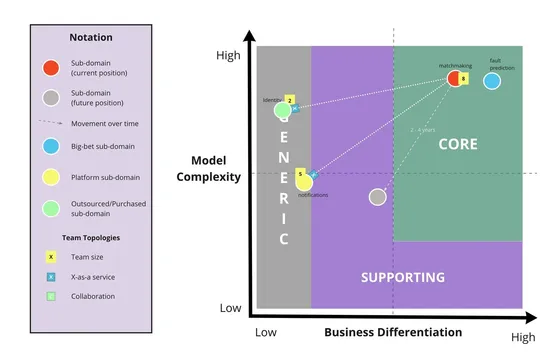
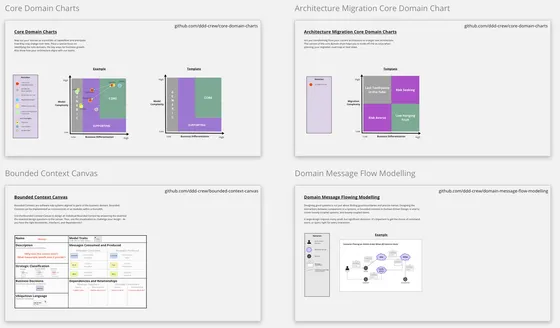
Core Domain Charts
A tool for collaboratively finding your core domains - strategic business differentiators
Open →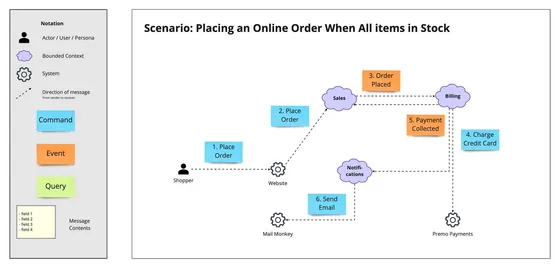
Domain Message Flow Modelling
Design & visualise the flow of commands, events, and queries between your bounded contexts
Open →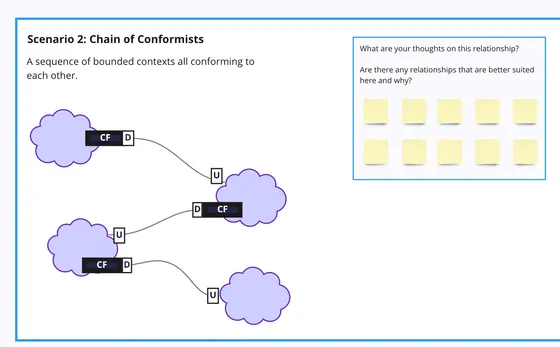
Context Mapping quiz
Learn context mapping by trying this quiz
Open →Modelling canvases
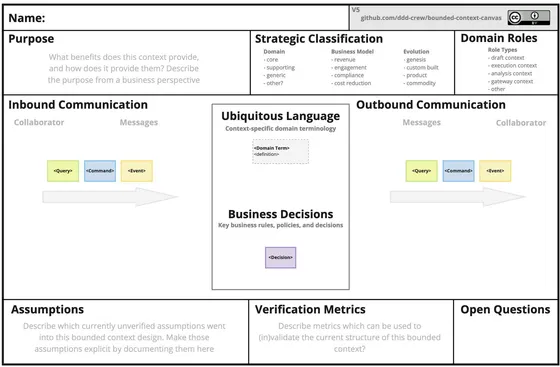
The Bounded Context Canvas
A structured approach to designing and documenting each of your bounded contexts
Open →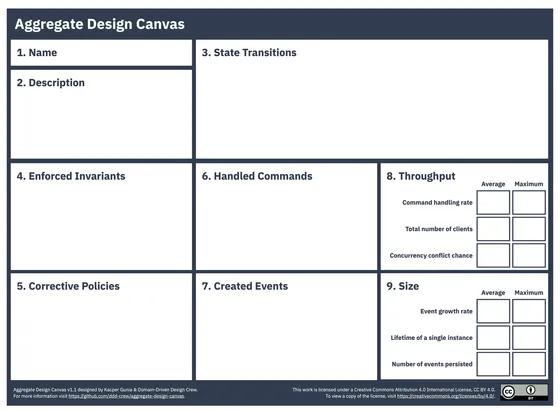
The Aggregate Design Canvas
A structured approach to designing and documenting Aggregates
Open →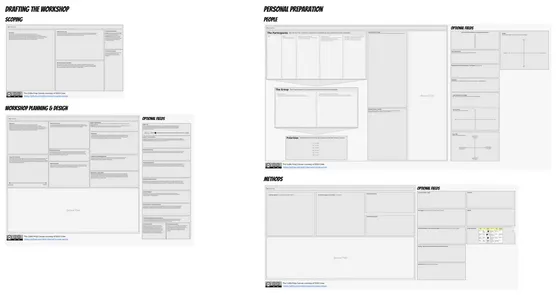
Collaborative Modelling Workshop Preparation Canvases
The “Collaborative Modeling Workshop Preparation Canvas” is a tool to support facilitators when preparing for collaborative modelling workshops
Open →Debiasing decisions toolkit
Structured behavioural interventions for better decisions in software, architecture, and technical leadership. Checklists, canvases, and more.
Open →