Heuristics
Notice when you work too hard as facilitator
How do you know when something beneath the surface is blocking a session?
When you find yourself working much harder than usual to keep a session moving, to get people to add stickies, or to generate conversation, that effort is a signal that something beneath the surface is blocking progress. The facilitator shouldn’t have to push constantly in a well-functioning collaborative session.
Example
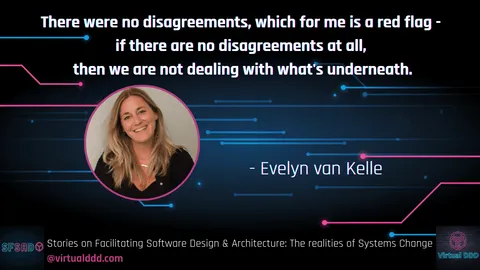
In an event storming session at a hierarchical organization, two facilitators had to work very hard just to get people writing on stickies and moving them around. This unusual level of effort was a heuristic that told them something was going on beneath the surface. Combined with other signals like approval-seeking behavior and lack of disagreement, it pointed to deeper organizational dynamics blocking the session.
Context
This heuristic helps you distinguish between a group that’s genuinely engaged but moving slowly through complexity versus a group that’s blocked by hidden dynamics. The amount of facilitator effort required is a reliable indicator because in healthy collaborative sessions, the group’s own energy and curiosity should drive most of the activity.
When This Might Not Apply
New groups or groups in early stages of forming often need more facilitator energy to establish safety and norms; this isn’t necessarily a sign of hidden problems. Sessions exploring genuinely complex domains may require persistent facilitation without indicating group dysfunction; the key is whether participants are engaged even if progress feels slow.
Variations
-
Early session vs. late session: If effort feels manageable early but becomes exhausting later, something has shifted—energy depletion or a triggering event may have occurred
-
Different facilitation styles: Some facilitators naturally work harder than others; the heuristic is about change in your own effort level, not absolute effort
-
Co-facilitation: If one facilitator notices they’re doing most of the work, check with your co-facilitator whether they’re observing the same blocker or something different
-
Feedback during sessions: Ask the group directly: “Does anyone feel like we’re pushing really hard here?” to confirm whether your sense of effort matches group experience
Discussed in